News & Media

Reece Conca Opens Up About Male Infertility and IVF
Dr Fleur Cattrall contributed expert commentary to a feature on former AFL player Reece Conca and his partner Annabel Grace as they shared their IVF journey following a diagnosis of azoospermia. The article highlighted the emotional impact of infertility on men, the importance of early fertility assessment, and the role of age, ovarian reserve and sperm health in reproductive planning. Dr Cattrall emphasised that understanding fertility potential early can help couples make informed decisions and access appropriate treatment sooner.
Topics: Male infertility, azoospermia, IVF, fertility assessment, fertility awareness, reproductive planning, sperm health.
Publication: Herald Sun
Category: News & Media / Male Fertility / IVF Stories


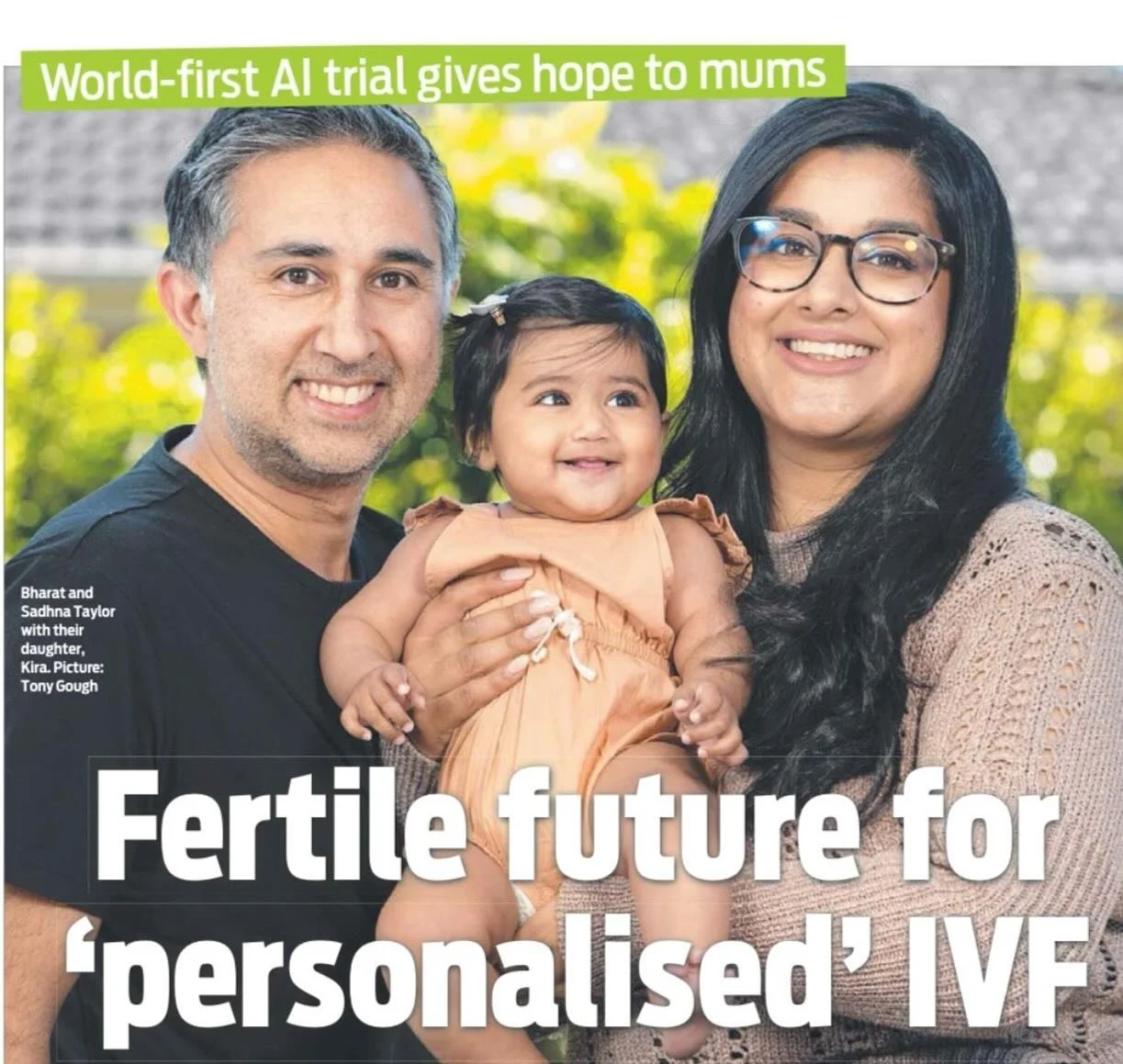
AI and Genetic Sequencing to Personalise IVF Treatment
Australian researchers are launching a world-first study that combines advanced genetic sequencing with artificial intelligence to personalise IVF treatment. The research aims to identify genetic factors that influence ovarian response, egg quality and embryo development, helping fertility specialists tailor treatment to each individual patient rather than relying on standardised medication approaches.
By analysing genetic data with AI, researchers hope to uncover previously unrecognised causes of infertility, improve treatment effectiveness and reduce the number of unsuccessful IVF cycles. The study plans to recruit up to 1,000 participants nationally, with a simple blood test providing the genetic information needed for analysis.
Dr Fleur Cattrall explains the goal is to improve pregnancy rates, shorten the time to achieving a healthy pregnancy and provide patients with more personalised information to guide their fertility journey.
Topics: IVF, Artificial Intelligence, Genetics, Genetic Sequencing, Precision Medicine, Personalised IVF, Infertility Research, Fertility Treatment, Reproductive Genetics
Publication: Seven Network (Channel 7 TV)
Category: News & Media, Fertility Research, IVF Innovation, Genetics

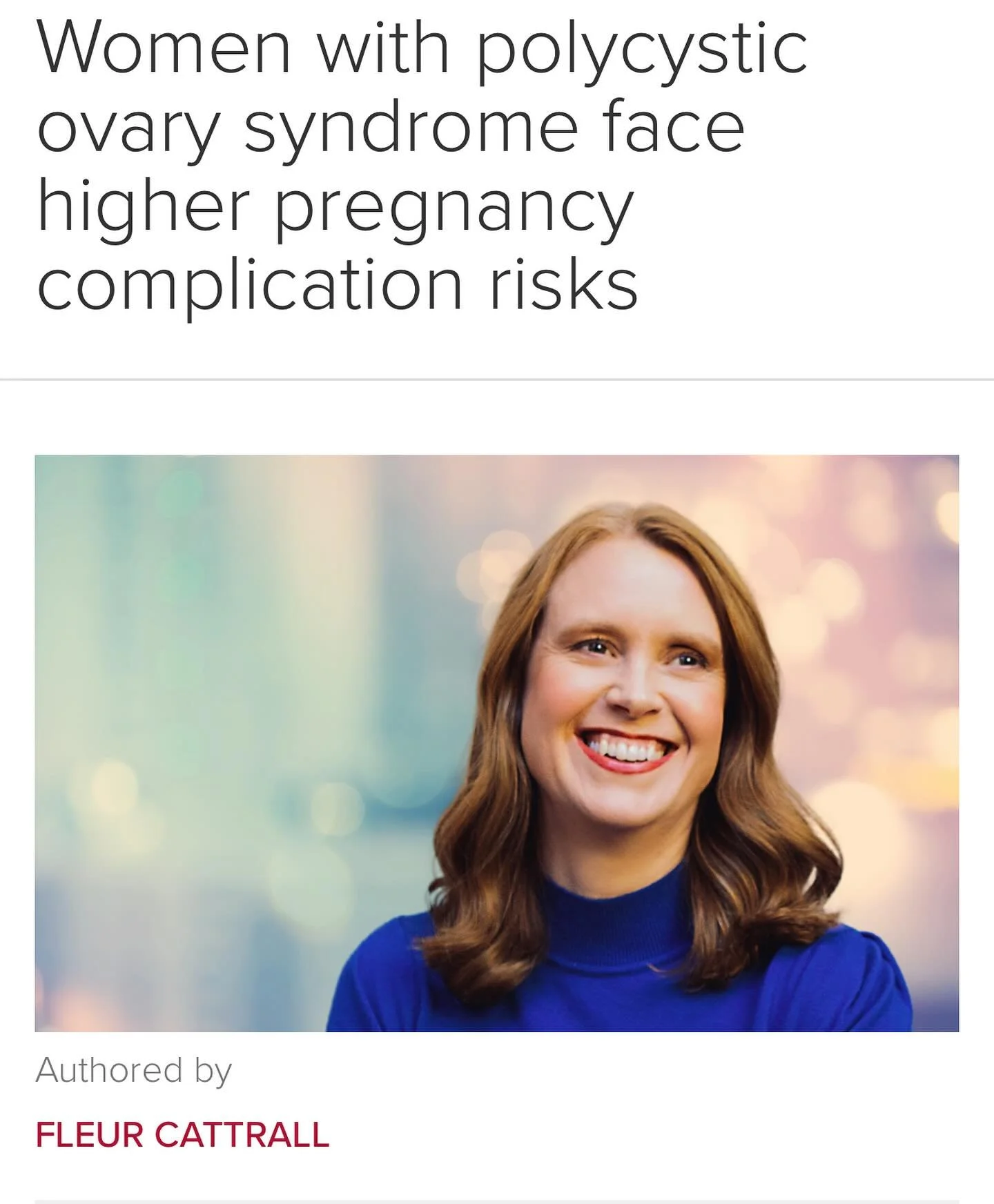
Women with Polycystic Ovary Syndrome Face Higher Pregnancy Complication Risks
Polycystic ovary syndrome (PCOS) is one of the most common hormonal conditions affecting women of reproductive age, impacting approximately one in ten women. Despite its name, Dr Fleur Cattrall explains, PCOS is not simply a disorder of ovarian cysts. Rather, it is a complex endocrine condition that can affect ovulation, metabolism, fertility and long-term health.
Women with PCOS often experience symptoms such as irregular menstrual cycles, acne, excessive hair growth and weight gain, although the condition presents differently from person to person. Importantly, the characteristic "cysts" seen on ultrasound are actually immature follicles containing eggs and are not true cysts.
Beyond fertility challenges, women with PCOS face an increased risk of pregnancy complications, including gestational diabetes, high blood pressure and other pregnancy-related health concerns. Optimising health before conception through lifestyle modification, weight management where appropriate, and careful medical assessment can improve both fertility and pregnancy outcomes.
Understanding the broader health implications of PCOS allows women to make informed decisions about their reproductive health and seek appropriate support before and during pregnancy.
Topics: Polycystic Ovary Syndrome (PCOS), Fertility, Women's Health, Pregnancy Complications, Reproductive Endocrinology, Preconception Care, Ovulation Disorders, Hormonal Health, IVF
Publication: Medical Journal of Australia InSight+
Category: PCOS, Fertility Education, Women's Health, Pregnancy and Fertility, Expert Commentary
Frozen Eggs as Effective as Fresh Eggs, Melbourne Study Finds
A major Melbourne study has demonstrated that frozen eggs can be just as effective as fresh eggs in helping women achieve pregnancy, providing reassurance for those considering fertility preservation.
Researchers analysed more than 30,000 frozen eggs collected over the past decade and found a 92% survival rate following thawing and a 65% fertilisation rate. These strong outcomes have been attributed to advances in vitrification, an ultra-rapid freezing technique that has transformed egg freezing success rates.
Historically, egg freezing was challenging because eggs are among the largest cells in the body and are particularly vulnerable to damage during the freezing process. Modern vitrification techniques have significantly improved egg survival and reproductive outcomes, making egg freezing an increasingly reliable option for women wishing to preserve their fertility.
The study also highlighted the importance of the number of eggs collected. According to Dr Fleur Cattrall, women under 35 years of age require approximately seven frozen eggs to achieve a 50% chance of a live birth. Women considering egg freezing are encouraged to think about their future family goals, as storing more eggs may increase the likelihood of achieving one or more children in the future.
The findings provide further evidence that egg freezing is an effective fertility preservation strategy, offering women greater reproductive choice and flexibility as they plan their families.
Topics: Egg Freezing, Fertility Preservation, Vitrification, Reproductive Technology, IVF, Women's Health, Delayed Parenthood, Fertility Planning, Live Birth Rates
Publication: Seven Network (7 News Melbourne)
Category: Egg Freezing, Fertility Preservation, IVF Research, Women's Health, Fertility Education
Key Findings:
30,000+ frozen eggs analysed
92% egg survival rate after thawing
65% fertilisation rate
Modern vitrification technology supports outcomes comparable to fresh eggs
Approximately 7 frozen eggs required for a 50% chance of live birth in women under 35 years of age
Media Type: Television News Feature (7 News Melbourne)
Egg Donation Gives Couple the Greatest Gift of All
A growing number of Australians are turning to donor eggs to build their families, particularly as more women delay parenthood into their forties. This inspiring patient story highlights the life-changing impact of egg donation, with one Victorian couple welcoming a healthy baby after years of fertility challenges and unsuccessful treatment attempts.
After facing diminishing fertility and multiple setbacks, the couple achieved pregnancy through the generosity of an anonymous egg donor. Their experience reflects the increasing importance of donor programs in modern fertility care, providing opportunities for individuals and couples who may otherwise be unable to conceive using their own eggs.
The story also highlights the ongoing challenge of donor egg shortages in Australia. While donor recruitment initiatives have improved access and reduced waiting times for some patients, demand continues to exceed supply. For women and couples seeking donor eggs, delays can significantly impact the likelihood of success, particularly as fertility declines with age. Dr Fleur Cattrall urged women to consider donating their eggs.
Egg donation remains one of the most effective fertility treatments for women with reduced ovarian reserve, premature ovarian insufficiency, age-related infertility or certain genetic conditions. The generosity of donors enables many families to achieve their dream of parenthood and creates a lasting legacy through the gift of reproductive opportunity.
Topics: Egg Donation, Donor Conception, Fertility Treatment, Family Building, Assisted Reproduction, Ovarian Reserve, Age-Related Infertility, Donor Programs, Reproductive Medicine
Publication: Herald Sun
Category: Donor Eggs, Fertility Treatment, Family Building, Patient Story, Fertility Awareness
Key Messages:
Donor eggs provide an important pathway to parenthood for many patients.
Demand for donor eggs in Australia continues to exceed supply.
Delays in accessing donor eggs can affect treatment success, particularly for older patients.
Donor recruitment programs have helped reduce waiting times and improve access.
Egg donation can be a highly successful treatment option for selected patients.
Media Type: Newspaper Feature / Patient Story
Author Quoted: Dr Fleur Cattrall, Fertility Specialist and Reproductive Endocrinologist.

What's Behind Declining Sperm Counts?
Growing evidence suggests that male fertility is being influenced by a combination of lifestyle, health and environmental factors. While genetics and medical conditions play a role, researchers are increasingly examining how modern lifestyles, and environmental exposures may contribute to declining sperm counts and sperm quality.
Obesity and diabetes have become more common over recent decades and are known to negatively affect sperm production, hormone levels and overall reproductive health. Diet also appears to be important, with studies linking highly processed foods and poor nutritional patterns to lower sperm quality. ‘We have certainly seen an increase in obesity and diabetes over time, and this then affects sperm quantity and quality,” Dr Cattrall said.
Environmental exposures are another area of active research. Certain chemicals found in plastics, known as endocrine-disrupting chemicals, can mimic natural hormones and may interfere with reproductive function. Researchers are also investigating the impact of pesticides, herbicides, heavy metals and other pollutants on male fertility.
While no single factor fully explains changes in sperm counts observed across populations, the evidence suggests that reproductive health is influenced by a complex interaction of lifestyle, metabolic health, genetics and environmental exposures. Understanding these factors may help men optimise their fertility and support broader public health initiatives aimed at protecting reproductive health.
Topics: Male Fertility, Sperm Count, Sperm Quality, Men's Health, Environmental Health, Endocrine Disruptors, Obesity, Diabetes, Reproductive Health, Lifestyle and Fertility
Publication: Nine News
Category: Male Fertility, Men's Health, Fertility Education, Environmental Health, Reproductive Medicine
Key Messages:
Male fertility is influenced by lifestyle, genetic and environmental factors.
Obesity and diabetes are associated with reduced sperm quantity and quality.
Diet may play an important role in reproductive health.
Endocrine-disrupting chemicals found in some plastics are being investigated for their impact on fertility.
Exposure to pesticides, herbicides and heavy metals may contribute to declining sperm health.
Male fertility should be considered an important indicator of overall health and wellbeing.
Media Type: News Feature / Expert Commentary
Author/Expert Quoted: Dr Fleur Cattrall, Fertility Specialist and Reproductive Endocrinologist.

Antioxidants in IVF Culture Media Improve Embryo Development
Male factor infertility contributes to approximately half of all infertility cases, making optimisation of fertilisation and embryo development a key focus of IVF research.
In a world-first randomised controlled trial, Melbourne IVF researchers investigated whether adding antioxidants to the culture media surrounding embryos could improve outcomes following ICSI (intracytoplasmic sperm injection), a procedure in which a single sperm is selected and injected directly into an egg.
The study evaluated the addition of three key antioxidants at the time of fertilisation and found a significant improvement in embryo development, with a 10% increase in the number of embryos reaching the blastocyst stage. Blastocysts are embryos that have developed sufficiently for transfer or freezing and are associated with higher implantation potential.
The findings suggest that reducing oxidative stress during the earliest stages of embryo development may enhance embryo quality and improve the efficiency of IVF treatment, particularly in couples affected by male factor infertility.
This research highlights the importance of the laboratory environment in IVF success and demonstrates how evidence-based innovations can contribute to better reproductive outcomes for patients.
Topics: Male Factor Infertility, IVF Research, ICSI, Embryo Culture, Antioxidants, Blastocyst Development, Embryology, Fertility Treatment, Assisted Reproduction
Publication: Seven Network (7 News)
Category: IVF Research, Embryology, Male Fertility, Laboratory Innovation, Fertility Treatment
Key Findings:
Male factor infertility contributes to approximately 50% of infertility cases.
First randomised controlled trial assessing antioxidants in embryo culture media.
Antioxidants added at fertilisation during ICSI treatment.
10% increase in embryos developing to the blastocyst stage.
Potential reduction in oxidative stress during early embryo development.
May improve IVF efficiency and reproductive outcomes.
Media Type: Television News Feature / Research Commentary
Expert Commentator: Dr Fleur Cattrall, Fertility Specialist and Reproductive Endocrinologist.
Medicare Funding Expands Access to Genetic Testing in IVF
Families affected by inherited genetic conditions now have greater access to advanced reproductive technology, with Medicare funding introduced for preimplantation genetic testing for monogenic disorders (PGT-M).
PGT-M is an IVF-based genetic test used by individuals and couples who carry a known genetic condition that could be passed on to their children. During treatment, a small number of cells are carefully removed from developing embryos and tested for the specific genetic disorder carried within the family.
This allows fertility specialists and genetic scientists to identify embryos that have not inherited the condition and select those embryos for transfer, significantly reducing the risk of passing on serious inherited diseases to future generations.
Previously, the cost of PGT-M could exceed $4,000, creating a financial barrier for many families. The introduction of Medicare funding improves access to this important technology and provides new reproductive options for people affected by single-gene disorders.
PGT-M can be used for a wide range of inherited conditions, including cystic fibrosis, Huntington disease, spinal muscular atrophy, Fragile X syndrome and many other serious genetic disorders. For many families, it offers the opportunity to have a biological child free from a known familial genetic condition.
Topics: PGT-M, Preimplantation Genetic Testing, Genetic Disorders, IVF, Reproductive Genetics, Genetic Carrier Screening, Inherited Conditions, Precision Medicine, Family Planning
Publication: The Morning Show
Category: Genetics and Fertility, PGT-M, IVF Innovation, Genetic Testing, Reproductive Medicine
Key Messages:
Medicare funding improves access to PGT-M genetic testing.
PGT-M identifies embryos affected by a specific inherited genetic disorder.
Media Type: Television Interview / Health News Feature
Expert Commentator: Dr Fleur Cattrall, Fertility Specialist and Reproductive Endocrinologist.
Wellness Tips to Help Manage Your Fertility Journey
The fertility journey can be emotionally challenging, particularly when conception does not occur as quickly as hoped. While many aspects of fertility are beyond an individual's control, there are positive steps that can support both reproductive health and overall wellbeing.
Most people who experience difficulties conceiving will ultimately achieve a successful pregnancy, and maintaining a focus on health and self-care can help individuals feel empowered throughout the process. Fertility care is not only about medical treatment—it is also about supporting physical, emotional and psychological wellbeing.
Simple lifestyle measures such as maintaining a healthy diet, engaging in regular moderate exercise, prioritising quality sleep and nurturing positive social connections can have meaningful benefits. These habits support overall health and may contribute to improved fertility outcomes while helping individuals navigate the stresses often associated with fertility treatment.
Taking a proactive approach to wellbeing can transform fertility from a journey defined by uncertainty into one focused on personal growth, resilience and preparation for future parenthood.
Topics: Fertility Wellness, Lifestyle and Fertility, Mental Health, Preconception Health, Fertility Support, Healthy Living, Exercise, Nutrition, Sleep and Fertility
Publication: The House of Wellness
Category: Fertility Wellness, Lifestyle Medicine, Fertility Education, Patient Support, Preconception Care
Key Messages:
Most people experiencing infertility will ultimately achieve a successful pregnancy.
Healthy lifestyle habits can support fertility and overall wellbeing.
Nutrition, exercise, sleep and social connection are important components of reproductive health.
A focus on wellbeing can help patients feel more empowered during fertility treatment.
Fertility care extends beyond medical interventions to include emotional and psychological support.
Media Type: Health and Wellness Feature Article
Expert Contributor: Dr Fleur Cattrall, Fertility Specialist and Reproductive Endocrinologist.

The Rise of Egg Freezing and Fertility Preservation
Changing social, educational and career patterns have led many women to start their families later in life, increasing interest in fertility preservation and egg freezing. As awareness of age-related fertility decline grows, more women are exploring options to preserve their reproductive potential and expand their future family-building choices.
Female fertility gradually declines with age, with the chance of natural conception decreasing significantly between the ages of 30 and 40. While a woman in her early thirties may have a relatively high chance of conception each month, fertility falls substantially by the age of forty as both egg number and egg quality decline.
Advances in egg freezing technology, particularly vitrification, have made fertility preservation a reliable option for women who wish to delay childbearing for personal, professional or medical reasons. Interest in egg freezing increased significantly during and following the COVID-19 pandemic, alongside growing awareness of donor conception and alternative pathways to parenthood.
While egg freezing cannot guarantee a future pregnancy, it provides women with additional reproductive options and may reduce the impact of age-related fertility decline when undertaken at a younger age.
Topics: Egg Freezing, Fertility Preservation, Reproductive Ageing, Women's Health, Family Planning, Delayed Parenthood, IVF, Vitrification, Reproductive Choice
Publication: The Age
Category: Egg Freezing, Fertility Preservation, Women's Health, Fertility Education, Family Planning
Key Messages:
Female fertility naturally declines with age.
Egg freezing allows women to preserve reproductive potential for the future.
Modern vitrification technology has improved egg freezing success rates.
Increasing numbers of women are choosing fertility preservation.
Early education about reproductive ageing supports informed decision-making.
Fertility preservation provides greater reproductive choice but does not guarantee pregnancy.
Media Type: Newspaper Feature / Expert Commentary
Expert Contributor: Dr Fleur Cattrall, Fertility Specialist and Reproductive Endocrinologist.

he Power of One: Changing Perspectives on Single-Child Families
Family structures are evolving, and single-child families are becoming increasingly common across Australia and many other developed nations. Shifting social, educational and economic factors, combined with later parenthood and declining fertility rates, have contributed to a rise in families choosing or finding themselves with one child.
Historically, only children were often subject to stereotypes suggesting they were lonely, spoiled or socially disadvantaged. However, contemporary research has challenged many of these assumptions. Studies have found that only children generally experience similar developmental, educational and social outcomes to children with siblings, and family wellbeing is influenced more by parenting, relationships and environment than by family size alone.
For many families, having one child is not necessarily a choice. Delayed parenthood, age-related fertility decline, infertility, miscarriage and the financial and emotional burden of fertility treatment can all influence family-building outcomes. Fertility specialists increasingly care for patients who begin trying for children later in life, when natural fertility has already started to decline.
The article explores the experiences of parents raising only children, highlighting both the challenges and benefits. While some parents experience grief when they are unable to have additional children, others describe close family bonds, greater flexibility and the opportunity to focus resources and attention on a single child.
As fertility patterns continue to change, the concept of the "normal" family is expanding, reflecting a broader understanding that healthy, happy families come in many different forms.
Topics: Fertility, Family Building, Only Children, Delayed Parenthood, Reproductive Ageing, Infertility, Family Planning, Women's Health, Parenting
Publication: Good Weekend (published in association with The Sydney Morning Herald and The Age)
Category: Family Building, Fertility Awareness, Parenting, Women's Health, Social Trends
Key Messages:
Single-child families are becoming increasingly common.
Fertility decline with age contributes to smaller family sizes.
Research challenges stereotypes about only children.
Many families have one child due to infertility or delayed parenthood rather than choice.
Family wellbeing is determined by relationships and environment rather than family size alone.
Modern families are diverse, and there is no single model of a successful family.
Media Type: Magazine Feature / Expert Commentary
Expert Contributor: Dr Fleur Cattrall, Fertility Specialist and Reproductive Endocrinologist.


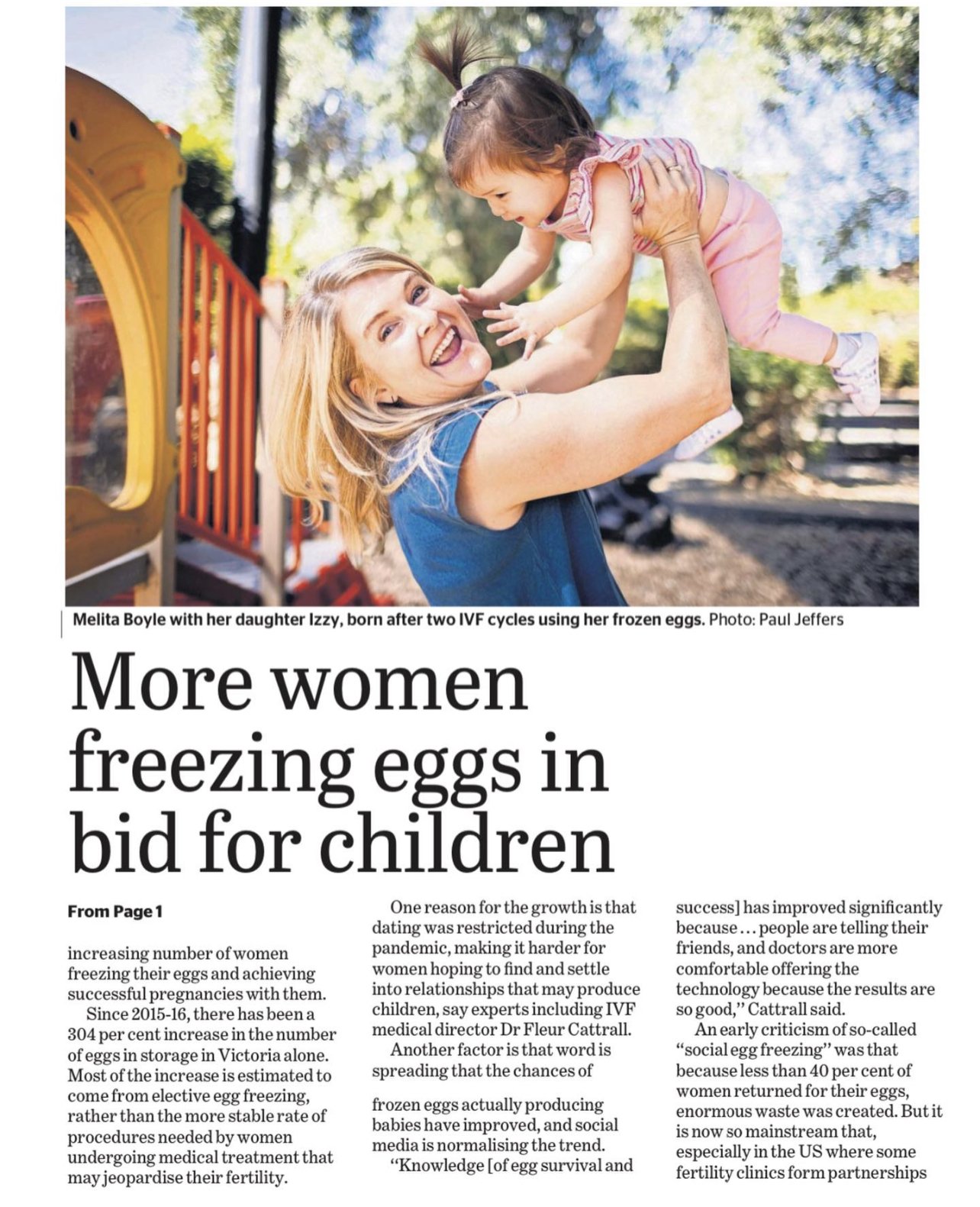
More Women Freezing Eggs in Bid for Future Children
Egg freezing has become an increasingly popular fertility preservation option, with growing numbers of Australian women choosing to store eggs for future family-building. Advances in freezing technology and greater awareness of age-related fertility decline have contributed to a significant rise in the number of women pursuing treatment.
Recent data has shown substantial growth in elective egg freezing, reflecting changing social, professional and relationship patterns. Many women are choosing to preserve their fertility while they complete education, establish careers, await the right partner or simply keep future reproductive options open.
The success of egg freezing has improved dramatically with the introduction of vitrification, an ultra-rapid freezing technique that achieves high egg survival rates after thawing. As clinical outcomes have improved, fertility specialists have become increasingly confident in offering egg freezing as a reproductive planning tool.
The COVID-19 pandemic may also have contributed to increased interest in fertility preservation, with disruptions to dating, relationships and family planning leading some women to proactively safeguard their fertility. Growing public awareness through social media, patient stories and fertility education has further increased understanding of the option.
While egg freezing does not guarantee a future pregnancy, it can help reduce the impact of age-related fertility decline when undertaken at younger ages and provides women with greater reproductive choice and flexibility.
Topics: Egg Freezing, Fertility Preservation, Women's Health, Reproductive Ageing, Family Planning, Vitrification, Delayed Parenthood, IVF, Reproductive Choice
Publication: Herald Sun
Category: Egg Freezing, Fertility Preservation, Women's Health, Fertility Education, Family Planning
Key Messages:
Elective egg freezing is becoming increasingly common.
Advances in vitrification have significantly improved success rates.
Women are freezing eggs for a variety of personal, professional and relationship reasons.
Greater awareness of age-related fertility decline is driving demand.
Fertility preservation provides reproductive flexibility but does not guarantee pregnancy.
Early education about fertility allows women to make informed reproductive decisions.
Media Type: Newspaper Feature / Health News Story
Expert Contributor: Dr Fleur Cattrall, Fertility Specialist and Reproductive Endocrinologist.
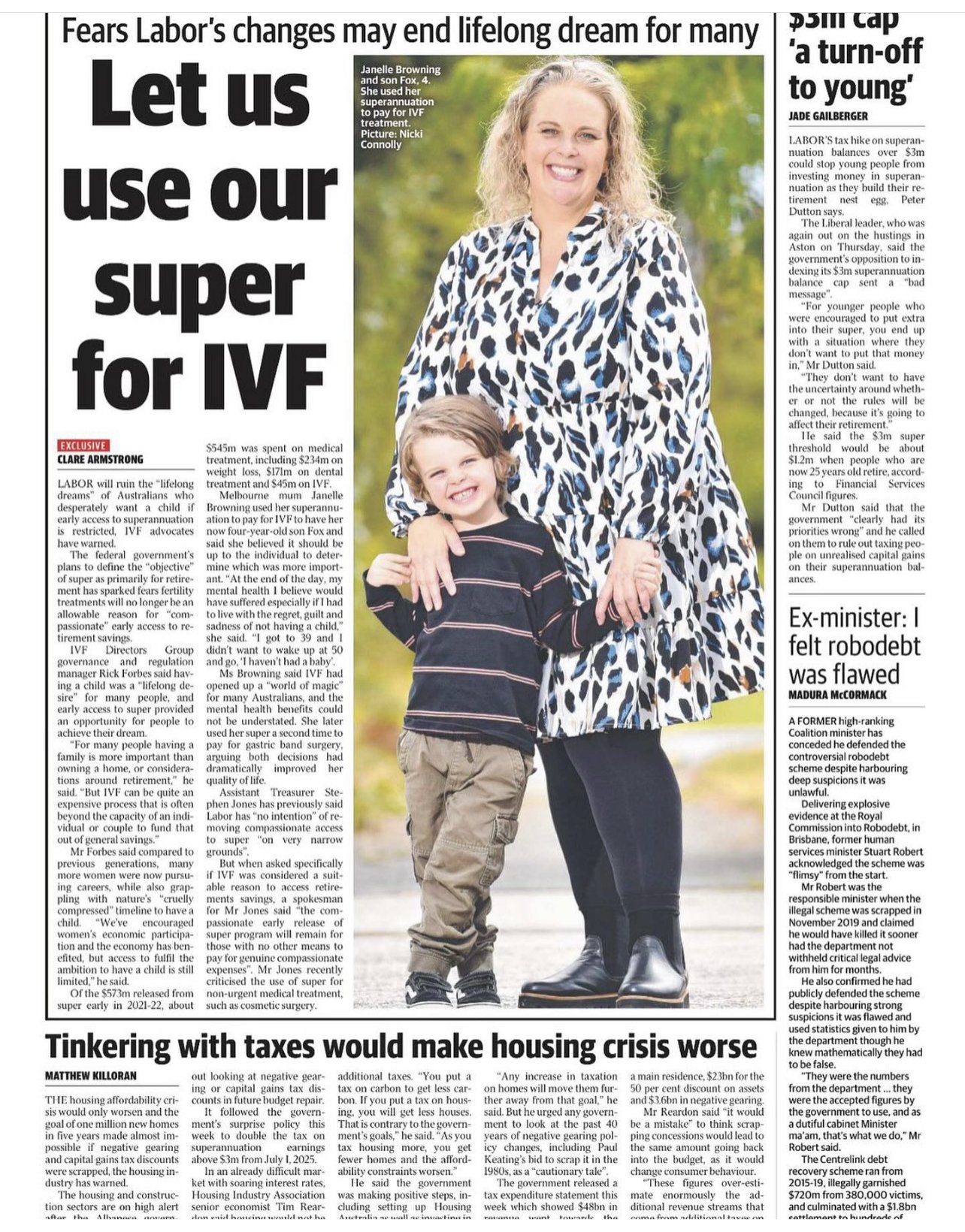
Superannuation Access for IVF: Balancing Retirement Savings and Reproductive Opportunity
Access to IVF treatment can be financially challenging for many individuals and couples, particularly when multiple treatment cycles are required. As the cost of fertility care rises, some patients have explored early access to their superannuation to help fund treatment and improve their chances of building a family.
This article highlights concerns that proposed changes to early superannuation release provisions could limit access to fertility treatment for people who rely on these funds to pursue parenthood. For some patients, IVF represents a time-sensitive medical treatment, where delays can significantly affect the likelihood of success due to the impact of age on fertility.
Fertility specialists regularly see patients for whom financial barriers influence treatment decisions. The ability to access additional funding can provide opportunities for individuals and couples who might otherwise be unable to proceed with fertility treatment or complete the number of treatment cycles needed to achieve a pregnancy.
The discussion also raises broader questions about how society balances long-term financial security with access to reproductive healthcare and the right to pursue family building. For many patients, fertility treatment is viewed not simply as an elective procedure but as an important healthcare intervention with lifelong implications.
Topics: IVF Funding, Fertility Access, Superannuation, Reproductive Rights, Family Building, Fertility Treatment Costs, Healthcare Policy, Women's Health, Assisted Reproduction
Publication: Herald Sun
Category: Fertility Policy, IVF Access, Healthcare Funding, Reproductive Medicine, Family Building
Key Messages:
Financial barriers remain a significant challenge for many fertility patients.
Fertility treatment outcomes are often time-sensitive due to age-related fertility decline.
Access to funding can influence whether patients proceed with treatment.
Media Type: Newspaper Feature / Health Policy Commentary
Expert Contributor: Dr Fleur Cattrall, Fertility Specialist and Reproductive Endocrinologist.
Infertility in the Public Eye: Breaking the Silence Around Fertility Challenges
Infertility affects many individuals and couples, yet it often remains a deeply private experience. Public discussions by high-profile figures can help raise awareness of the emotional, physical and psychological challenges faced by those trying to conceive.
For many people, infertility is associated with uncertainty, grief and the fear that parenthood may not be achievable. The journey may involve months or years of trying to conceive, pregnancy loss, fertility treatment and difficult decisions about future family-building options. These experiences can be particularly challenging when discussed in public settings or when individuals feel pressured to explain personal reproductive choices.
In Australia, infertility affects approximately one in six couples, making it one of the most common medical conditions affecting people of reproductive age. Increased public awareness can help reduce stigma, encourage earlier conversations about fertility and improve understanding of the realities faced by those experiencing reproductive difficulties.
Open and compassionate discussions about fertility can foster greater empathy and support, recognising that every person's path to parenthood is unique and deeply personal.
Topics: Infertility, Fertility Awareness, Reproductive Health, Women's Health, Mental Health, Pregnancy Loss, Family Building, Fertility Education, Reproductive Medicine
Publication: Harper's Bazaar Australia
Category: Fertility Awareness, Women's Health, Mental Health, Family Building, Public Commentary
Key Messages:
Infertility affects approximately one in six Australian couples.
Fertility challenges can have significant emotional and psychological impacts.
Public conversations can help reduce stigma and increase awareness.
Every fertility journey is unique and deeply personal.
Compassionate discussion supports individuals and couples navigating infertility.
Fertility education can empower people to make informed reproductive decisions.
Media Type: Magazine Feature / Expert Commentary
Expert Contributor: Dr Fleur Cattrall, Fertility Specialist and Reproductive Endocrinologist.
Quote Highlight:
"The biggest challenge is managing thoughts that you might not have a baby." – Dr Fleur Cattrall.


International Sperm Donation Expands Choice for Australian Patients
Australian fertility clinics have experienced growing demand for donor sperm over the past decade, driven by expanding access to fertility treatment for single women, same-sex couples and individuals with severe male factor infertility. While donor sperm has traditionally been used for men with azoospermia (absence of sperm production) or significant male infertility, changing legislation and social trends have increased demand for donor programs nationwide.
A key challenge facing Australian donor programs is the limited number of local sperm donors. Australian laws require donor-conceived people to be able to access identifying information about their donor when they reach adulthood, and donors cannot be financially compensated beyond reasonable expenses. While these protections support the rights of donor-conceived individuals, they can make donor recruitment more difficult and contribute to ongoing shortages.
To address this demand, some Australian fertility clinics have established partnerships with international sperm banks that meet Australian regulatory requirements. Imported donor sperm undergoes extensive screening, including genetic testing, infectious disease testing, counselling and quarantine processes, consistent with Australian safety standards.
Access to international donor programs can increase the range of donor options available to patients and help reduce waiting times for treatment. However, Australian clinics continue to prioritise local donor recruitment wherever possible, recognising the benefits of local donor availability and future access to information for donor-conceived individuals.
The discussion highlights the ongoing need to balance patient access, donor-conceived people's rights, donor recruitment and reproductive choice within Australia's evolving fertility landscape.
Topics: Sperm Donation, Donor Conception, Male Infertility, Fertility Treatment, Donor Programs, Same-Sex Parenting, Single Women and Fertility, Reproductive Medicine, Fertility Policy
Publication: Australian Broadcasting Corporation (ABC TV)
Category: Donor Sperm, Fertility Policy, Family Building, Reproductive Medicine, Fertility Access
Key Messages:
Demand for donor sperm has increased significantly across Australia.
Growth has been driven by single women, same-sex couples and male infertility patients.
Australian donor recruitment remains challenging due to legislative requirements and limited financial incentives.
International sperm banks can help increase donor availability and patient choice.
Imported donor sperm is subject to rigorous screening, genetic testing and quarantine procedures.
Australian clinics continue to prioritise recruitment of local sperm donors.
Media Type: Television News Interview
Expert Contributor: Dr Fleur Cattrall, Fertility Specialist and Reproductive Endocrinologist.
IVF During COVID-19: Navigating a Global Pandemic
The COVID-19 pandemic created unprecedented challenges for fertility care around the world, forcing clinics to rapidly adapt to changing public health requirements while supporting patients facing significant uncertainty about their reproductive futures.
In Australia, the pandemic followed closely after devastating bushfires that affected much of the country, including major cities such as Melbourne and Sydney. Fertility clinics faced a series of evolving challenges, including travel restrictions, lockdowns, border closures and concerns about the impact of COVID-19 on patients, staff and laboratory operations.
As governments introduced emergency measures to control the spread of the virus, elective surgeries and procedures, including IVF treatment, were temporarily suspended. For fertility patients, these delays were particularly distressing because fertility is highly time-sensitive, especially for women with declining ovarian reserve or advancing reproductive age.
IVF clinics rapidly developed new policies and procedures to protect patients and staff while maintaining essential fertility services. Telehealth consultations, infection control protocols, screening procedures and modified clinical workflows became part of everyday practice. Fertility specialists also worked closely with professional societies and regulatory bodies to balance patient safety with the need to minimise treatment delays.
The pandemic highlighted both the resilience of fertility patients and the adaptability of reproductive medicine services. Despite significant disruption, fertility clinics continued to innovate and provide care, ensuring that patients could resume treatment safely as restrictions eased.
The experience also reinforced the importance of contingency planning, laboratory resilience and flexible models of care in maintaining access to fertility treatment during public health emergencies.
Topics: COVID-19, IVF, Fertility Treatment, Telehealth, Reproductive Medicine, Healthcare Innovation, Patient Care, Pandemic Response, Fertility Services
Publication: American Society for Reproductive Medicine Podcast – ASRM Today
Category: IVF Leadership, COVID-19, Fertility Care, Reproductive Medicine, Healthcare Innovation
Key Messages:
Australian fertility clinics faced challenges from both bushfires and the COVID-19 pandemic in 2020.
Temporary suspension of IVF treatment created significant anxiety for patients.
Fertility care is time-sensitive and delays can affect reproductive outcomes.
Clinics rapidly implemented telehealth and infection-control measures.
The pandemic accelerated innovation in fertility service delivery.
Strong leadership and adaptability were critical to maintaining patient care.
Media Type: International Podcast Interview
Podcast: ASRM Today
Interviewee: Dr Fleur Cattrall, Medical Director, Melbourne IVF
Host: Dr Jeffrey Hayes
Theme: Lessons from leading an IVF service through the COVID-19 pandemic and maintaining access to fertility care during a global health crisis.